

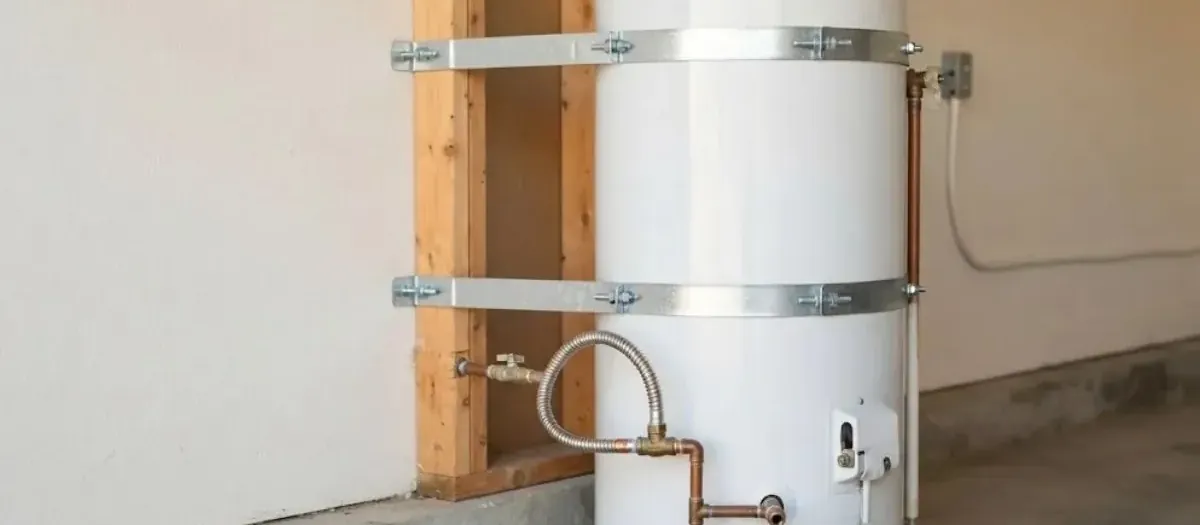
Installing a water heater on your own schedule is a different job from a rescue swap. You get to choose the size, the fuel, the location and the timing, and you can use rebates that expire. This page is for people who are upgrading, adding a heater to a remodel, or moving one out of a cramped spot.
Call (503) 974-3329 to schedule a visit. A licensed plumber looks at the space, the gas or electric supply and the venting, then gives you a clear price before work starts. Same-day appointments are sometimes available, but a good install starts with a short planning conversation.
Start With the Space You Have
Where the heater sits decides more of the job than which brand goes in it. Garages, utility closets, basements, attics and crawlspaces each bring different rules and risks. A garage tank may need protection from vehicle impact, so ask your plumber what applies. A crawlspace or attic location needs a drain pan and a safe path to carry the old tank out.
Walk the planned spot with a tape measure before the visit. Note the clearance around the tank, the ceiling height, and the distance to the nearest drain, gas line or electrical panel. A heater that has to move even a few feet may need new water lines, a new vent route or a longer wire run, and that changes the plan.
Sizing Without Guesswork
A tank that is too small runs out mid-shower. One that is too big wastes energy keeping extra water hot. Plumbers size by how many people live in the home, how many bathrooms run at the same time, and how fast the heater recovers after a draw. The label on a tank shows both its capacity and a first-hour rating, which is the more useful number.
| Household pattern | What matters most | Planning note |
|---|---|---|
| One or two people, one bath. | Capacity is usually enough. | A smaller tank can save energy. |
| Family with teens, two baths. | First-hour rating | Showers at the same time stack up. |
| Large soaking tub or multiple jets. | Tank size and recovery. | Check the tub's fill volume. |
| Rental or guest unit. | Steady use pattern | Pick a durable, simple model. |
| Home office or laundry running daily. | Recovery rate | Back-to-back loads drain a tank. |
Want a second opinion on size or location? Call and talk it through with a licensed plumber.
Call (503) 974-3329Venting, Gas Lines and Combustion Air
A gas heater is a small furnace for water. It needs air to burn, a way to push exhaust outside, and a gas line sized for the new unit. The flue slope, diameter and clearance from combustible material all get checked. A power vent heater uses a fan to push exhaust through a small plastic pipe, which opens up locations that a standard chimney vent cannot reach.
Gas piping and the flue need a mechanical permit. If you smell gas at any point during planning or after install, leave the building and call NW Natural at 800-882-3377 or 911 from outside. We do not diagnose gas leaks over the phone. Anyone who works on LP gas appliances or piping in Oregon must be licensed, homeowners included.
Water Lines, Power and the Drain Pan
The connections around a heater get replaced more often than people expect. Flexible connectors, shutoff valves, a dielectric union where two metals meet, and the relief valve discharge pipe all matter. The relief pipe has to terminate in a safe location and cannot be capped. A pan with a drain line catches small leaks before they become damage to the floor below.
Electric heaters need the right breaker and wire for the amperage on the label. A plumber confirms the circuit exists and matches. If it does not, a licensed electrician adds it. Thermal expansion protection and anchoring are code items when a heater is replaced, so budget for an expansion tank and proper straps.
The Permit Step and What It Means for Your Schedule
Oregon requires a plumbing permit for water heater replacement, and the person doing the work pulls it. In Forest Grove, that is the City of Forest Grove Community Development office at 503-992-3229. Cornelius contracts building services from the City of Forest Grove Building Division, so Cornelius customers go through the same office. A permit expires if work does not begin within 180 days.
Plan on the permit before your target install date, not after. Banks and North Plains addresses are handled by Washington County instead, so Banks customers should expect a different office. Relocating plumbing in a remodel can need its own permit. Skipping the permit can cause trouble when you sell the house or file an insurance claim.
Standard, Heat Pump or Tankless: Picking the Upgrade Path
A standard tank is the lowest cost to install and the simplest to service. A heat pump water heater costs more up front and uses less electricity to heat water. Energy Trust lists $1,200 for heat pump water heaters through retailers and distributors at energytrust.org/water, so check current terms before you buy.
A tankless unit heats water on demand and lasts longer, but it needs bigger gas and venting work. Brand-new construction or an added bathroom is a job for general plumbing installation first. Our tankless water heater page covers that in depth. If you are swapping a failed tank and need it done soon, see water heater replacement instead.
Older Homes and Tight Utility Spaces
Forest Grove's median home was built in 1982, and about 48 percent of homes predate 1980. The Clark Historic District has 178 historic sites, and Painter's Woods covers residential development from 1880 to 1948. Utility spaces in homes like these were not laid out with a modern tank in mind. Doors, stairs and low ceilings affect how a tank gets in and out.
Old galvanized or corroded supply lines near the heater turn up in houses of that age. If the connections are in poor shape, a plumber may suggest replacing a short run of pipe while the heater is out. A bigger problem might lead to a whole-house repipe conversation, which is a separate project with its own price and timeline.
Budgeting a Water Heater Installation
Cost guides report installed standard tanks at roughly $600 to $3,100 (HomeGuide) or $882 to $1,826 (Angi), and heat pump units at about $2,000 to $4,600 (HomeGuide). Those are guide figures, not our price. We give you a clear price before work starts.
Type of heater
Standard tanks sit at the low end. Heat pump and tankless units cost more to buy and to set up.
Moving the location
New water lines, a new vent route and extra wire all add labor.
Code items
Straps, an expansion tank near $325 (Angi), the relief pipe and the permit are part of a correct job.
Venting changes
A new flue path or a power vent kit adds parts and time.
Haul-away and access
Stairs, tight turns and a heavy old tank affect how long the visit takes.
Planned installs are rarely covered by insurance, since nothing has failed. If your old tank leaked and damaged the home, the damage claim is separate from the cost of the new heater. Keep your invoice and the permit record for your files.
To plan and price your install, call (503) 974-3329 and describe the space.
Ready to plan your install? Call to schedule a visit with a licensed plumber.
Call (503) 974-3329